 Skip to content


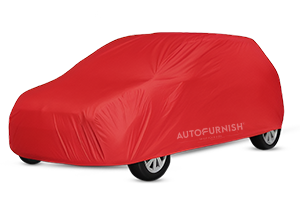
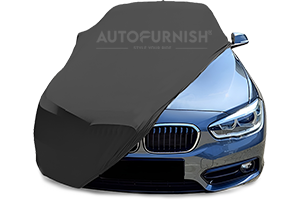

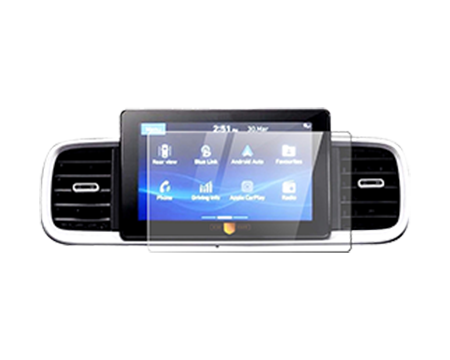
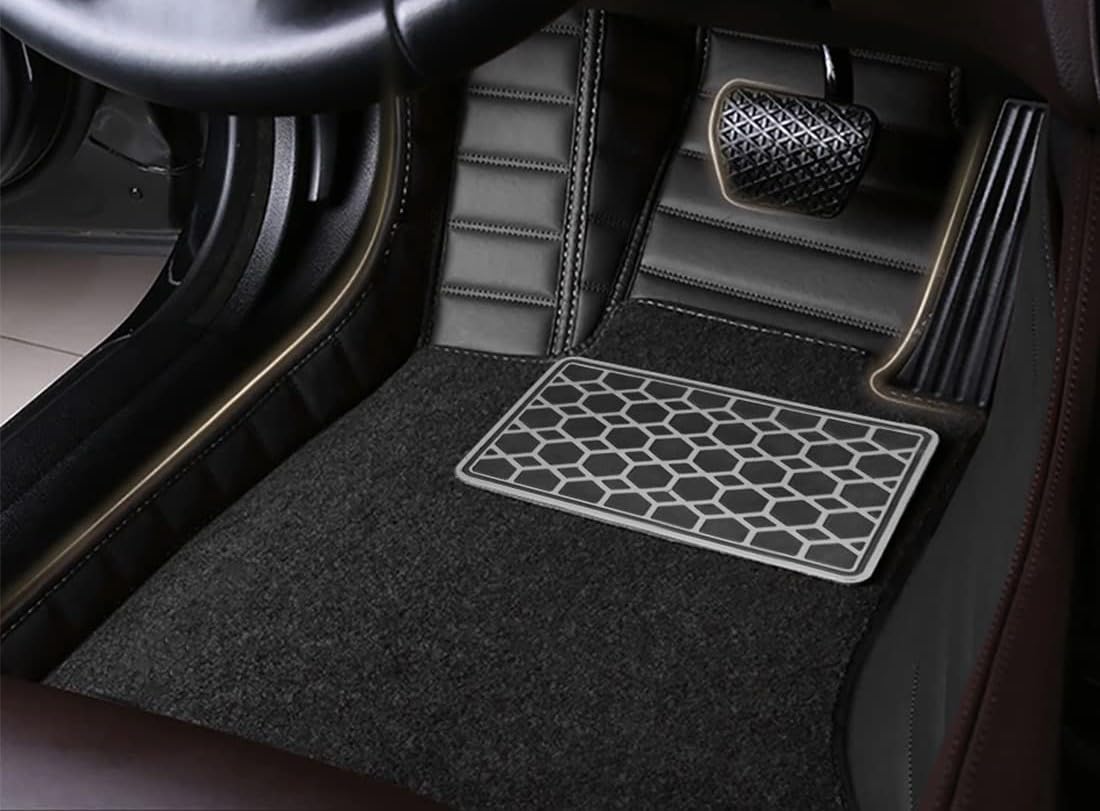
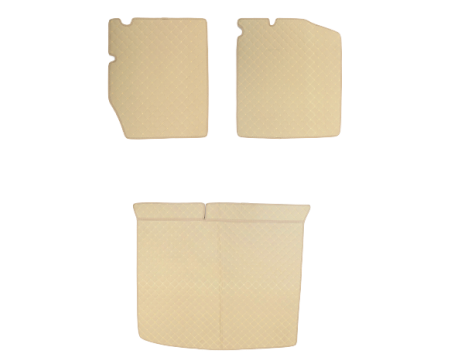
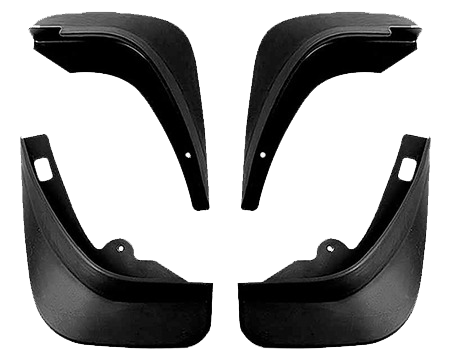
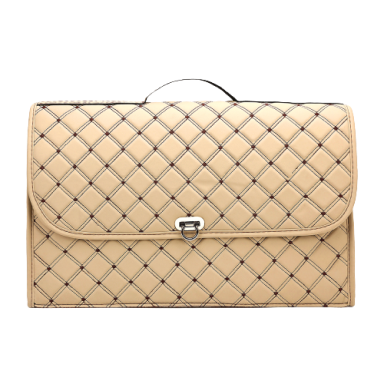
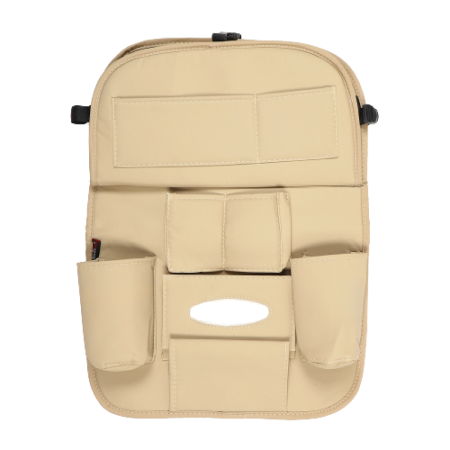
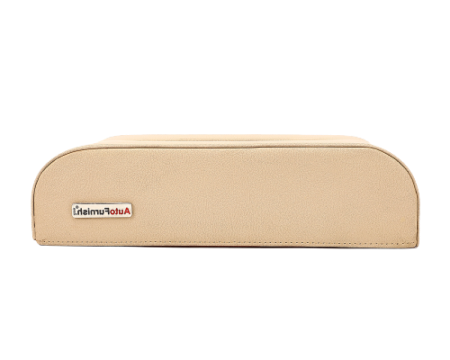
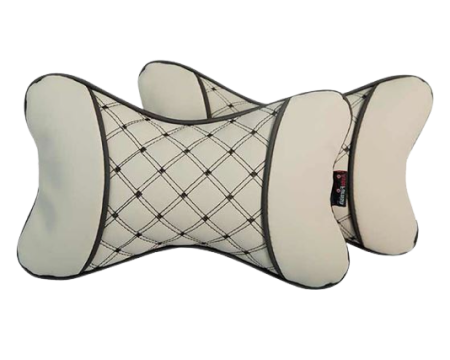
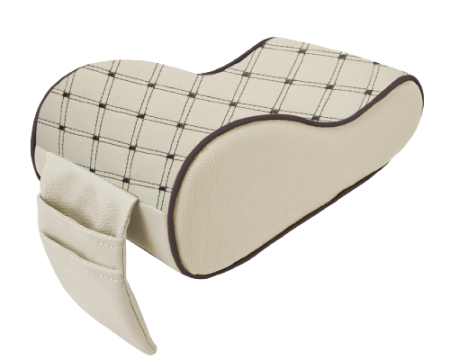
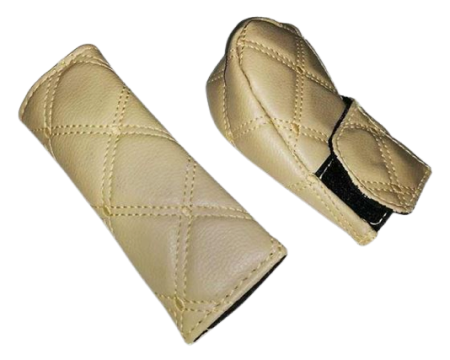
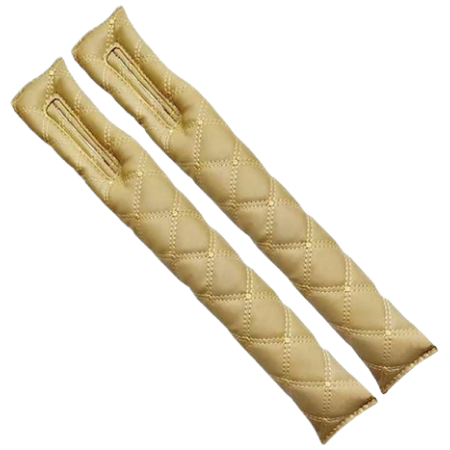
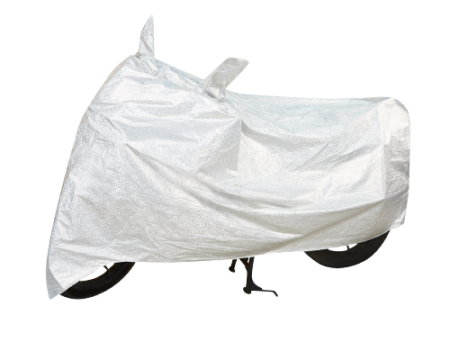
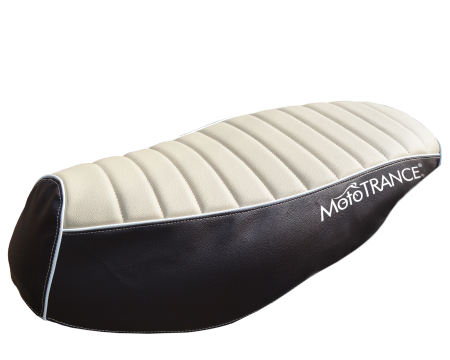
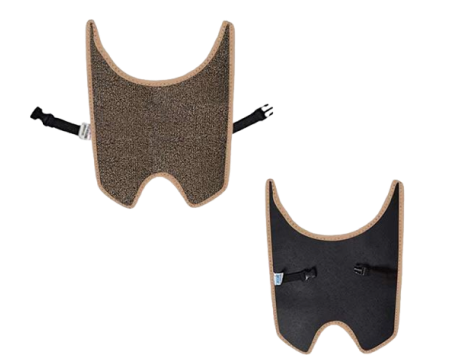










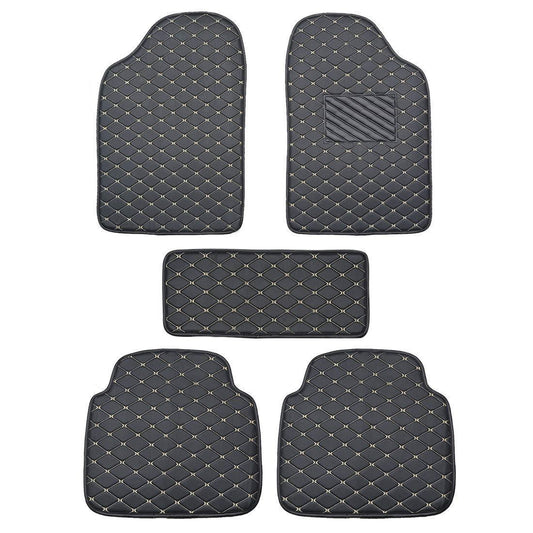
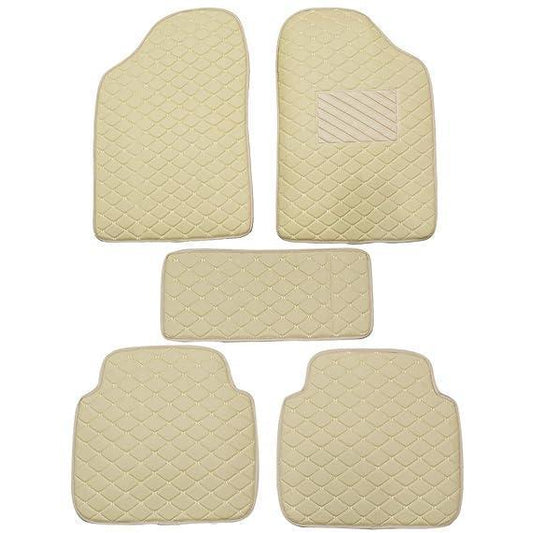


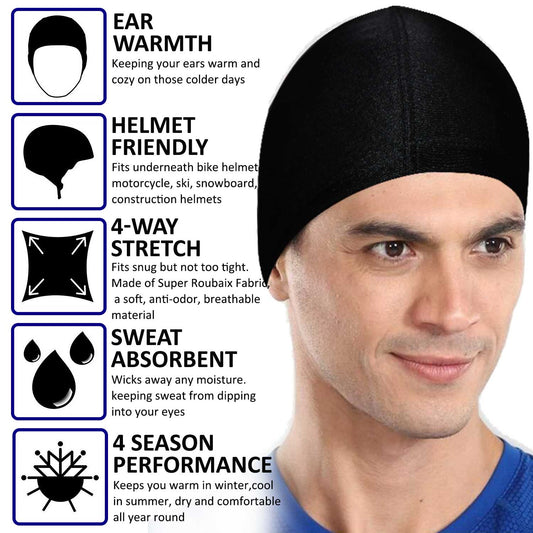

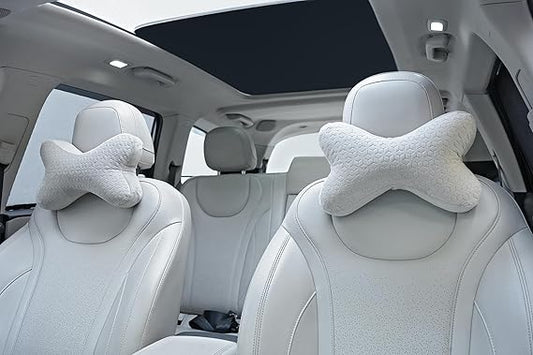
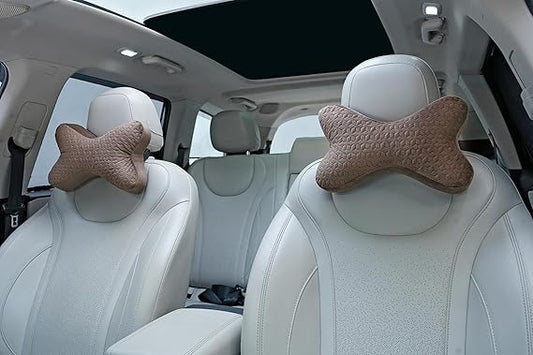


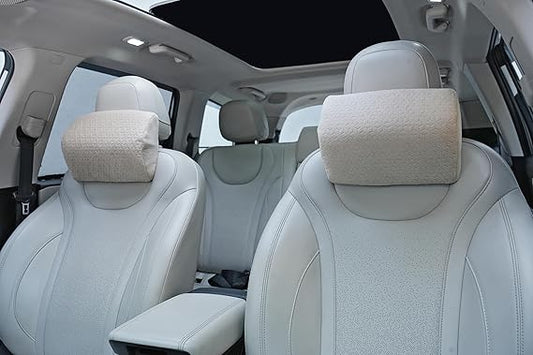
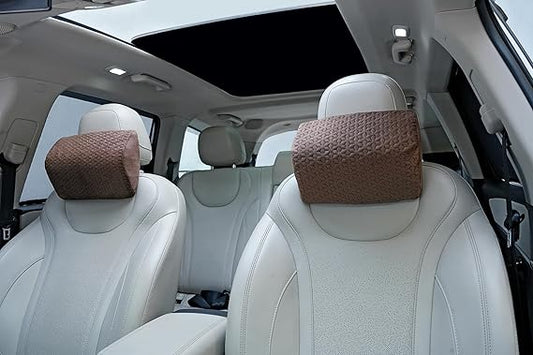
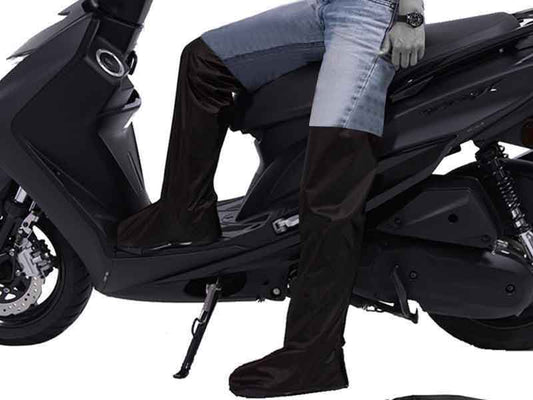
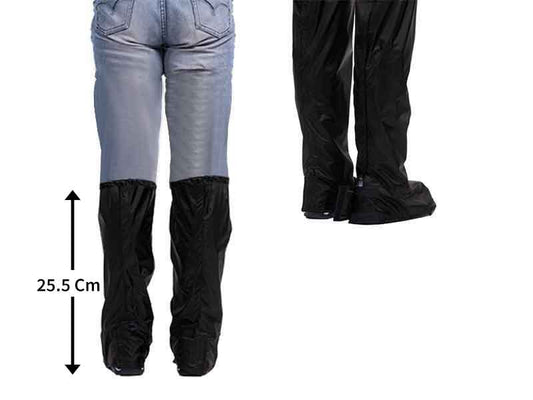


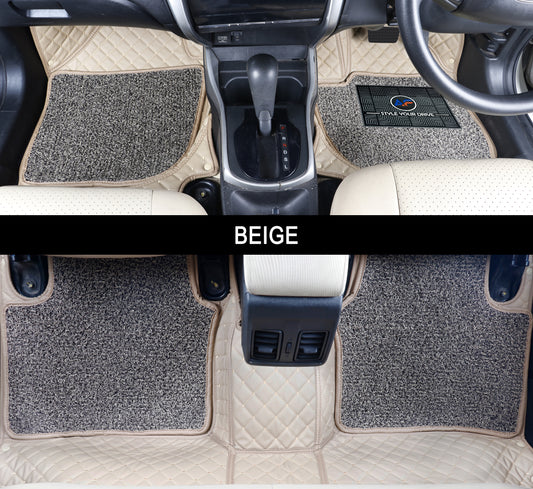

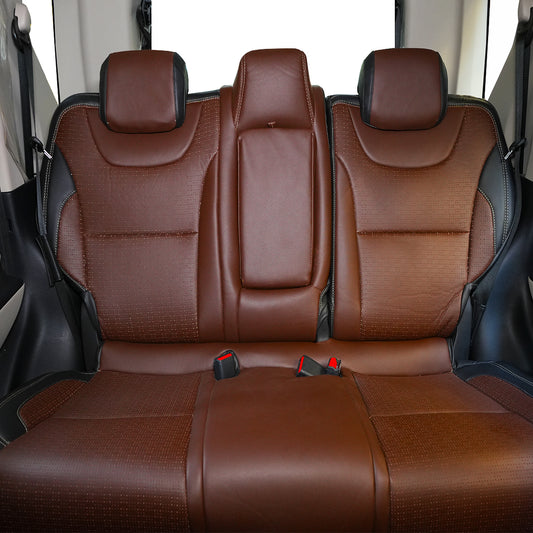

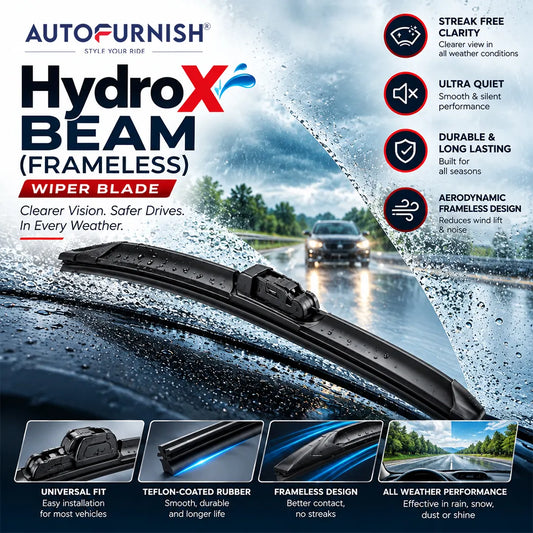



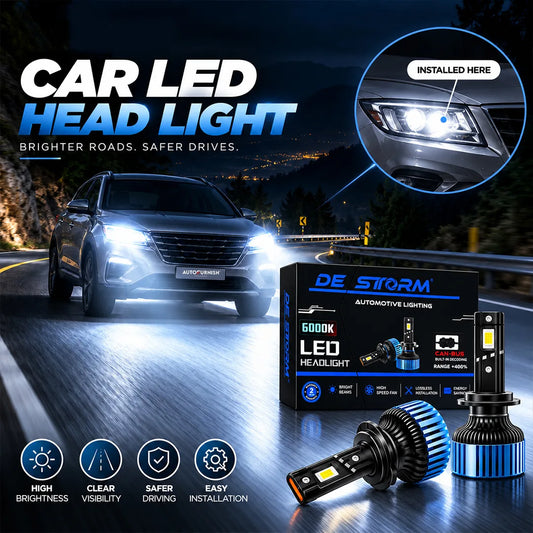

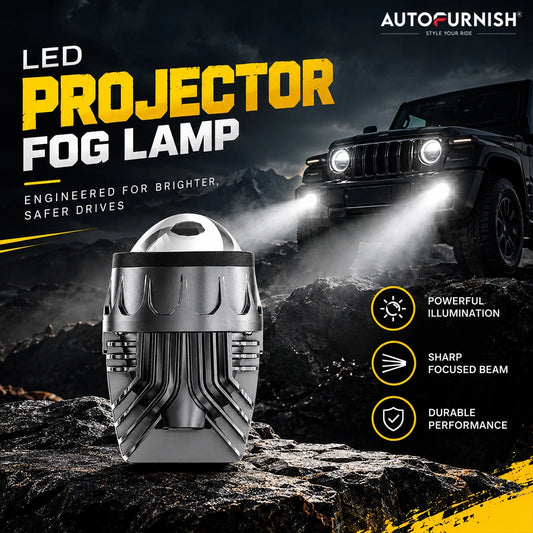

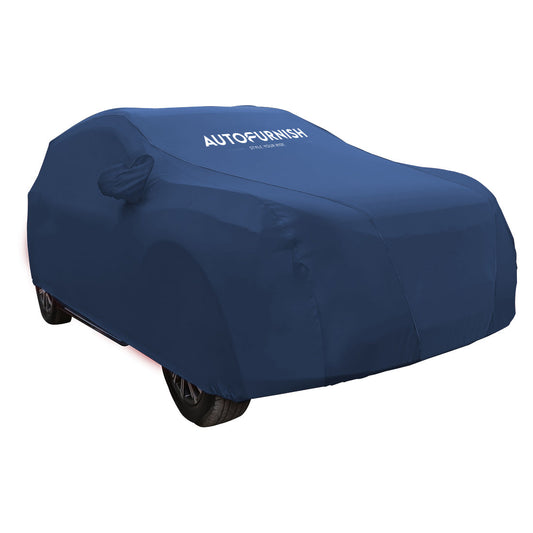


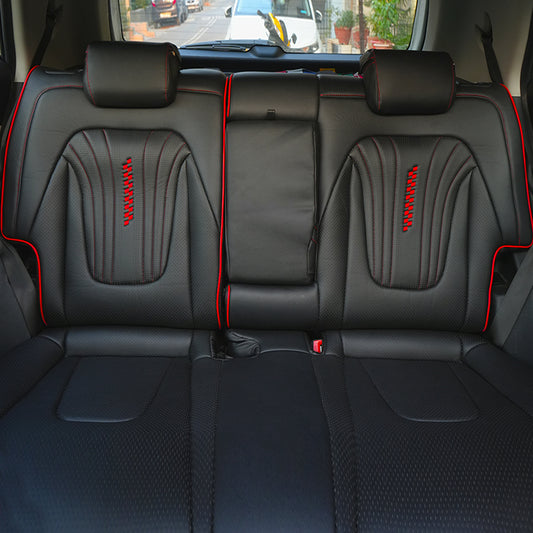

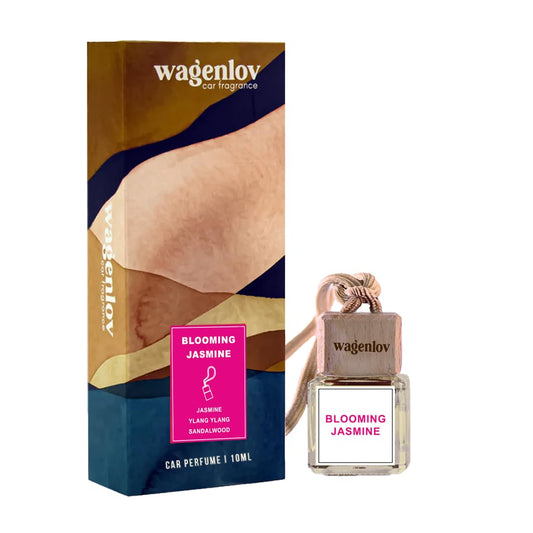

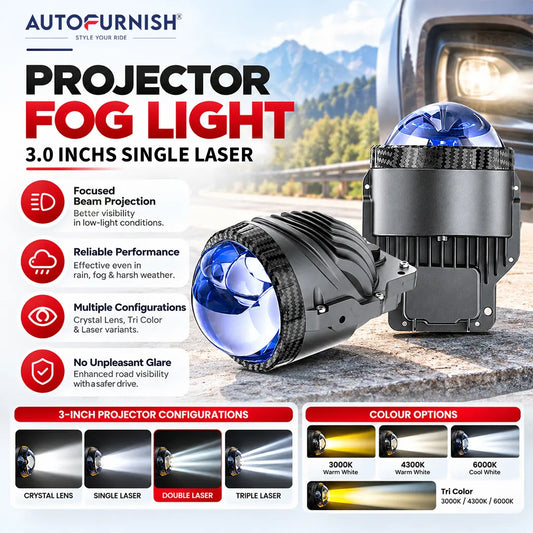

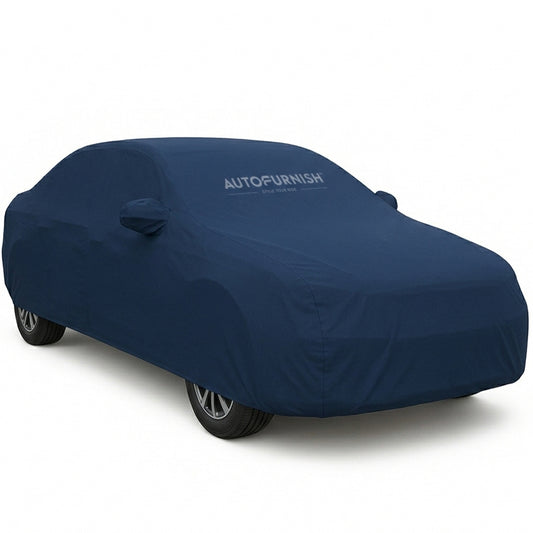

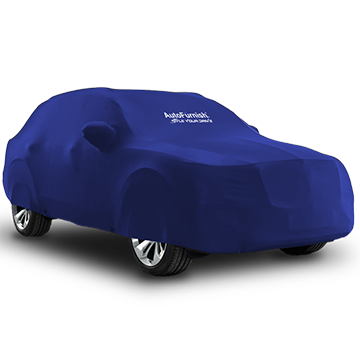
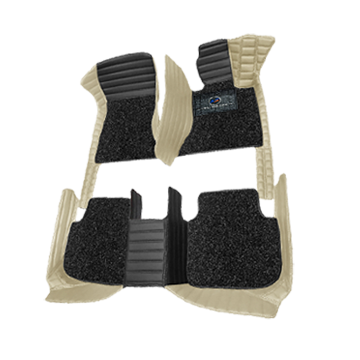
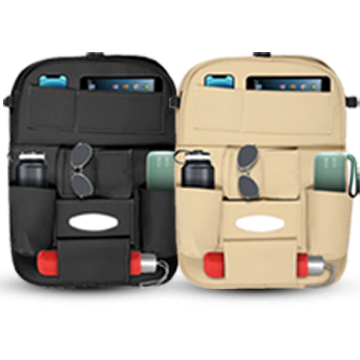
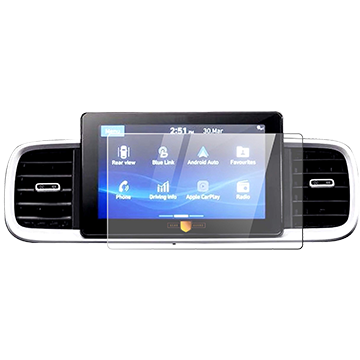
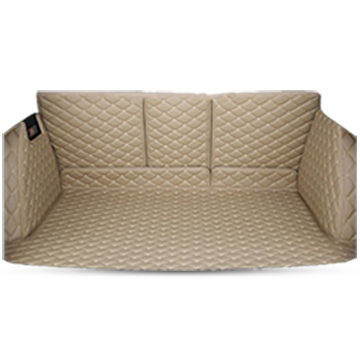
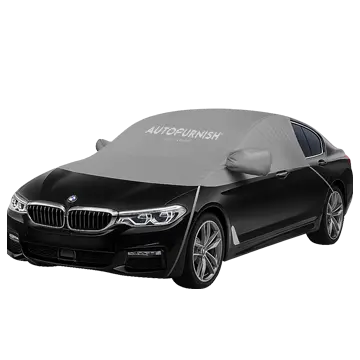


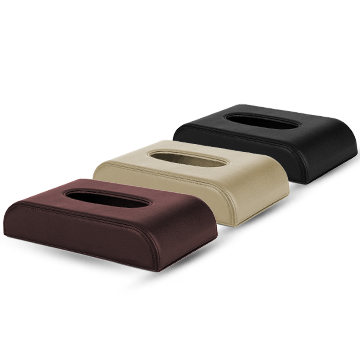
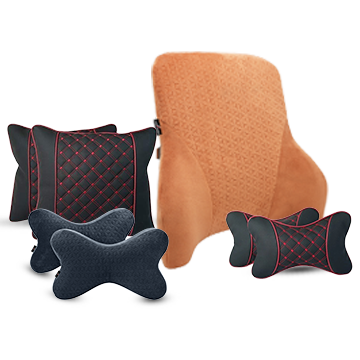
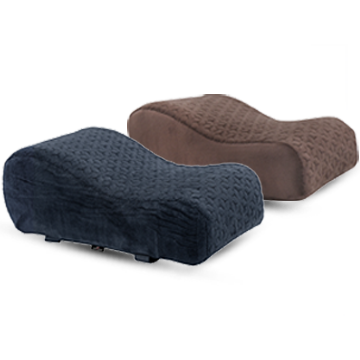
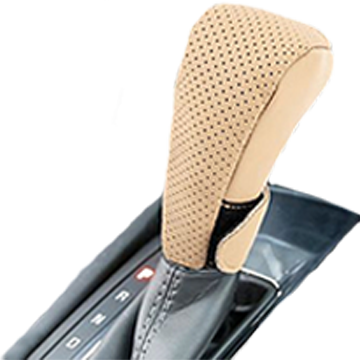
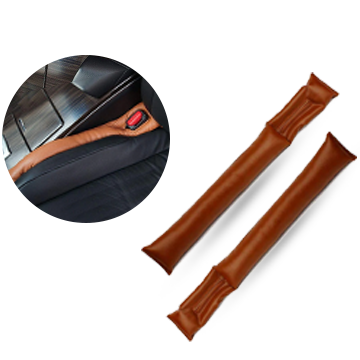

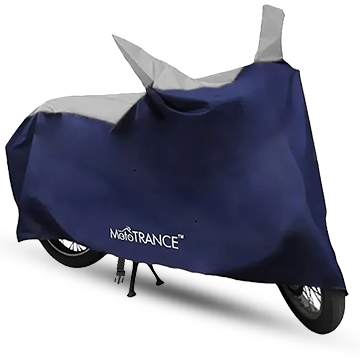
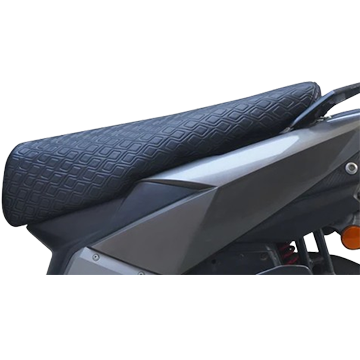
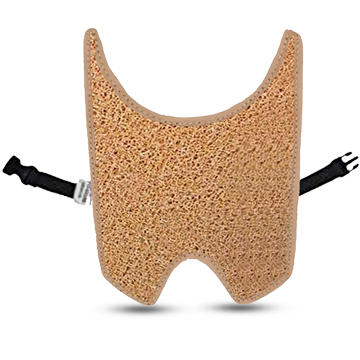









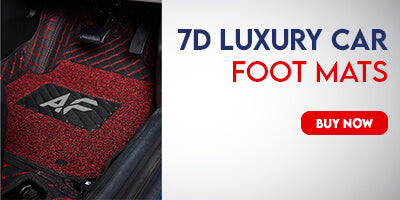





Diwali is a perfect time to gift loved ones. It’s one of the most auspicious and much-awaited festivals, bringing festivity and celebration. Lately, people have started trying new gifting options such as Diwali car accessories, considering the growing fondness for cars and bikes. The best part is that auto accessories stay with them every day and are considered a mark of memory. So, here are the best car accessory gift ideas to consider. AutoFurnish brings the top 10 car accessories to gift this Diwali to help your loved ones improve the comfort, style, and protection of their beloved vehicles. Serial No Car Accessory Why choose it as a gift? Who should you gift it to? 1 Premium 9D car mats Premium interior upgrade New car owners 2 OEM-style seat covers Brings freshness to the cabin Car connoisseurs 3 Premium car body cover Custom-fit,all-weathercar protection Those who park in open 4 7D car mats Premium & long-lasting protection Car detailing enthusiasts 5 Car cushions Adds comfort to drives Professionals/daily commuters 6 Steering wheel cover Effortless style upgrade Car styling enthusiasts 7 Car seat organisers Helps to keep a car tidy and organized Families with young kids. 8 Car fog lamps Gives crystal-clear vision in foggy conditions For those who drive late nights or early mornings 9 Premium car perfumes Keep your car smelling fresh For someone who loves premium fragrance. 10 LED car lights Offers bright light and a wide beam with a durable and stylish design For someone who wants high-quality lights, better visibility, and stylish looks Top 10 Diwali Gifts for Car Lovers Premium 9D Car Mats It’s the most premium and practical Diwali gift for car lovers who drive a lot. The mats come in multiple variants, designs, and custom-fit sizes for every car model. The premium material and design help to keep dust, debris, and spills away while adding a luxe touch to a car. Who Should You Gift 9D Car Mats To? These premium car foot mats are a perfect Diwali gift for new car owners, car lovers, daily commuters, and detailing enthusiasts. Explore a complete range of 9D car foot mats for all car models. 2 OEM-Style Seat Covers If you love to style up your drive without adding compromising on quality, fit, and finish, then OEM car seat covers are the perfect Diwali upgrade for your car. If you are looking for the perfect Diwali gift for car lovers, consider them. AutoFurnish OEM car seat covers are sweat-proof, premium, airbag-friendly, and offer a custom fit and finish to spruce up your car’s cabin. Who Should You Gift OEM Car Seat Covers To? These premium car seat covers make a perfect Diwali gift for new car owners, car lovers, and anyone planning an essential car makeover. Explore a complete range of custom-fit car seat covers for every car model. . 3 Premium Car Body Covers If you or your loved ones park their cars in the open, then a custom-fit car body cover is a must-have Diwali car accessory to gift. Unlike standard car covers, they offer snug-fit protection against flying debris, bird droppings, scratches, UV rays, rain, and tree sap. AutoFurnish offers a range of custom-fit car covers for all car models in multiple styles, variants, and designs. Hence, it’s a perfect Diwali gift for car lovers and your loved ones. Who Should You Gift Premium Car Body Covers To? Someone who parks their car in the open or can’t see a small dent, scratch, or damage on their car body. Explore a complete range of car covers online. 4 7D Car Mats If you are looking for premium Diwali car accessories, then it’s one of them. These car mats come in two variants: a full-fledged luxurious style and an economy style. The quality, fit, and finish will remain the same in both variants. However, in the economy version, you will get the embedded grass design, which is non-removable, unlike the luxury variant. The best part, both are the best for the price and offer long-lasting protection and style. Who Should You Gift 7D Car Mats To? Someone who travels or drives frequently and wants an effortless upgrade to the interior. Explore a complete range of 7D car mats at the store 5 Car Cushions Comfort and driving go hand in hand. Due to stressful drives, heavy traffic jams, and long commuting hours, a premium car cushion is a must-have. This Diwali, you can add comfort to your loved ones' drives by gifting them premium car cushions designed with lumbar support, high-quality materials, and stylish patterns. Who Should You Gift Car Cushions To? Someone who has existing back or neck pain or drives to their office daily can get an immense amount of relief. Hence, it acts as a perfect Diwali gift for car lovers. Explore a premium and plush range of car cushions at the store. 6. Steering Wheel Covers This is a small yet effective car upgrade this Diwali. It’s one of the best car accessories for Diwali gifting, which improves style, grip, elegance, and overall driving comfort. Who Should You Gift a Steering Cover To? Someone who wants a minimal car interior upgrade without being too loud. 7. Car Seat Organisers Diwali is all about freshness, renovation, and cleaning. To help your loved ones clean their cars, a car seat organizer is a perfect Diwali gift. It will declutter their car and keep all the essentials in one place. Who Should You Gift Car Seat Organizers To? It’s a perfect Diwali gift for car lovers, families with young kids, frequent outstation travellers, and commercial vehicles. 8. LED Car Lights It’s one of the most stylish and protective Diwali gifts for car lovers. Since winter is fast approaching, low visibility can cause accidents. To spruce up the lighting, protection, and style of your loved ones’ cars, gift them premium LED car lights. Who Should You Gift LED Car Lights To? Someone who needs a lighting upgrade in their car or is seeking a stylish pair of LED lights. Explore a complete range of LED car lights for all car models. 9. Premium Car Perfumes This is the most appropriate, long-lasting, and memorable Diwali gift for your loved ones. A long-lasting car perfume that removes the bad odour, adds freshness to the cabin, and uplifts the mood is a must-have Diwali gift. AutoFurnish brings a premium range of car perfumes this Diwali to add freshness to every car. Who Should You Gift Car Perfumes To? Someone who always searches for long-lasting and exotic car perfumes or is struggling with bad car odour. Explore a complete range of car perfumes at the store. 10. Fog Projector Lamps Foggy or smoggy days are fast approaching and often cause low visibility conditions in Delhi NCR and other parts of India. To amplify the protection, safety, and style of your loved ones’ cars, gift them premium fog projector lamps this Diwali. AutoFurnish offers premium fog projector lamps with superior quality, visibility, and durability. Who Should You Gift Fog Projector Lamps To? Someone who drives early in the morning or late at night, or whose car needs a lighting upgrade for the winter season. How to Buy the Right Car Accessory Gift for Diwali? It’s really important to buy the right car accessories to gift your loved ones during Diwali. Here’s a quick checklist to buy the right car accessories. Know their car model for compatibility A car accessory gift with the wrong fitment will be quite embarrassing. Hence, while gifting car mats, body covers, or seat covers, choose the right vehicle model and variant. Know their requirement Ensure what their current requirement to turn your gift into a pleasant surprise. Check delivery timelines or place your order before Diwali Why Choose AutoFurnish for Diwali Car Accessory Gifting? The best Diwali gifts are not just sweets or jewellery; they are also premium automotive accessories. With people’s growing love and passion for their cars, premium car accessories make a perfect Diwali gift in 2026. AutoFurnish offers a premium and custom-fit range of car mats, body covers, OEM-styled seat covers, and a versatile range of car styling and care accessories at highly competitive rates. With PAN-India delivery and hassle-free online shopping, it makes it easier to buy car accessories online from any part of India. So, what are you waiting for? This Diwali, choose the best car gifts for Diwali that go beyond the festive season. Shop AutoFurnish for Diwali car accessories and surprise your loved ones. Frequently Asked Questions What are the best Diwali gifts for car lovers? For car lovers, nothing is more premium than 9D car mats, OEM seat covers, and custom-fit car covers, as they help them to elevate the protection and style of their beloved drive. So these are the perfect Diwali car accessories to buy. Which car accessories should I buy for new car owners? New car owners are more sensitive and careful about their prized possession. Hence, gift them a car cover, premium car mats, and a car organizer to keep their car protected. Where can I buy car accessories as a Diwali gift? AutoFurnish is the right place to buy car accessories as a Diwali gift. The brand offers a rich collection of car exterior and interior accessories in multiple variants, designs, and patterns. With PAN-India delivery and a hassle-free online shopping experience, it makes it easier to buy auto accessories online from anywhere in India.

